
Gum Disease: Symptoms, Causes, Treatment and Prevention
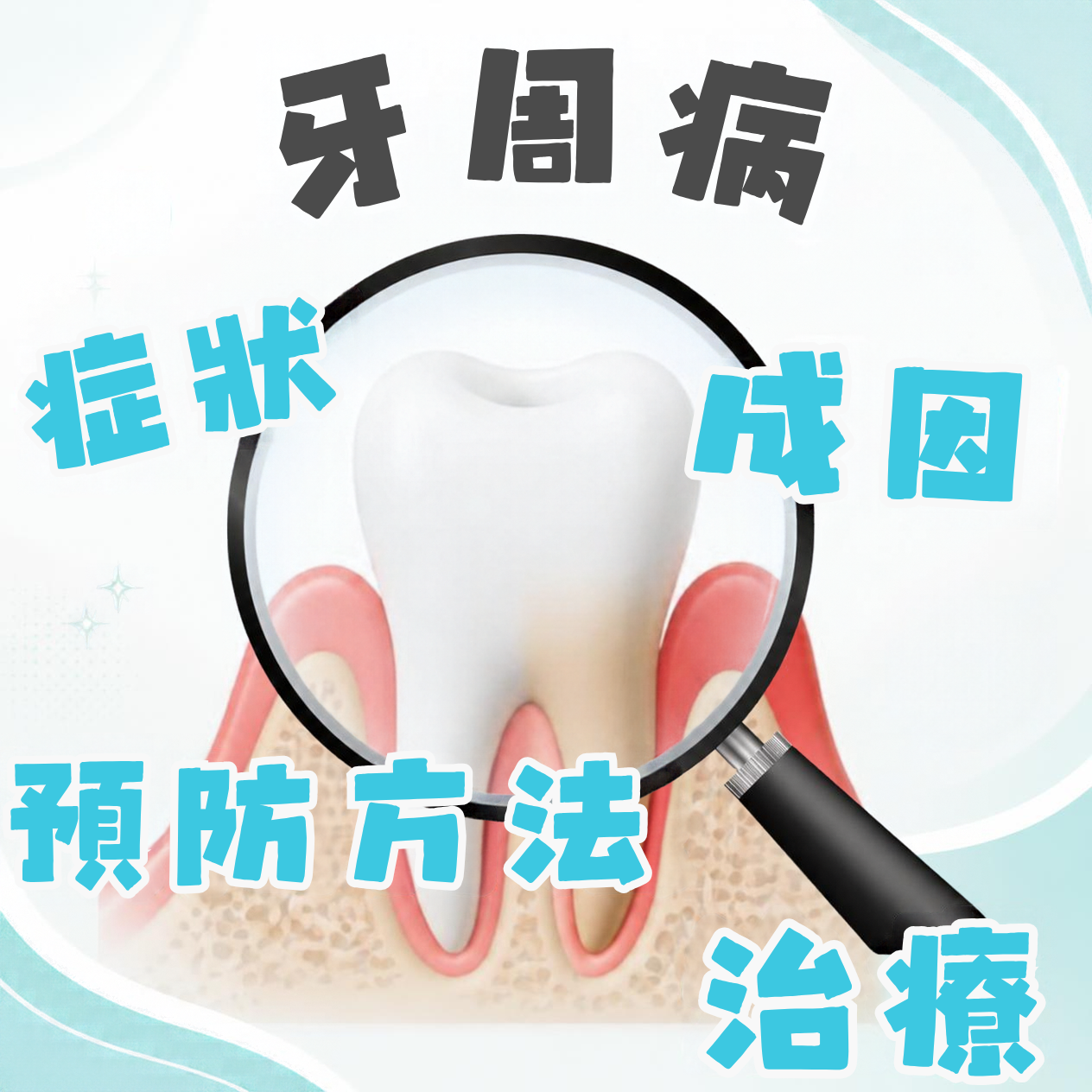
Gum disease (Periodontal Disease) is a common oral health condition that mainly affects the gums and the tissues that support the teeth.
Gum disease can develop gradually and may not cause noticeable pain in its early stages. Therefore, even if you do not have a toothache, frequent bleeding gums, redness, swelling, or bad breath may be signs that you should have a dental examination.
According to the Canadian Dental Association (CDA), gum disease can be prevented and treated, and early detection and treatment can help manage the condition.
What Is Gum Disease?
Gum disease occurs when the gums and the tissues supporting the teeth become inflamed or infected. It mainly includes gingivitis and periodontitis.
Gingivitis
Gingivitis is an early form of gum disease. Common symptoms include:
Red or swollen gums
Bleeding when brushing or flossing
Gum sensitivity or discomfort
When treated early, gingivitis can often be improved through better daily oral hygiene and professional dental care.
Periodontitis
Periodontitis affects the gums, periodontal tissues, and jawbone that support the teeth. If left untreated, more advanced periodontitis can lead to loose teeth and, in severe cases, tooth loss.
Common Signs of Gum Disease
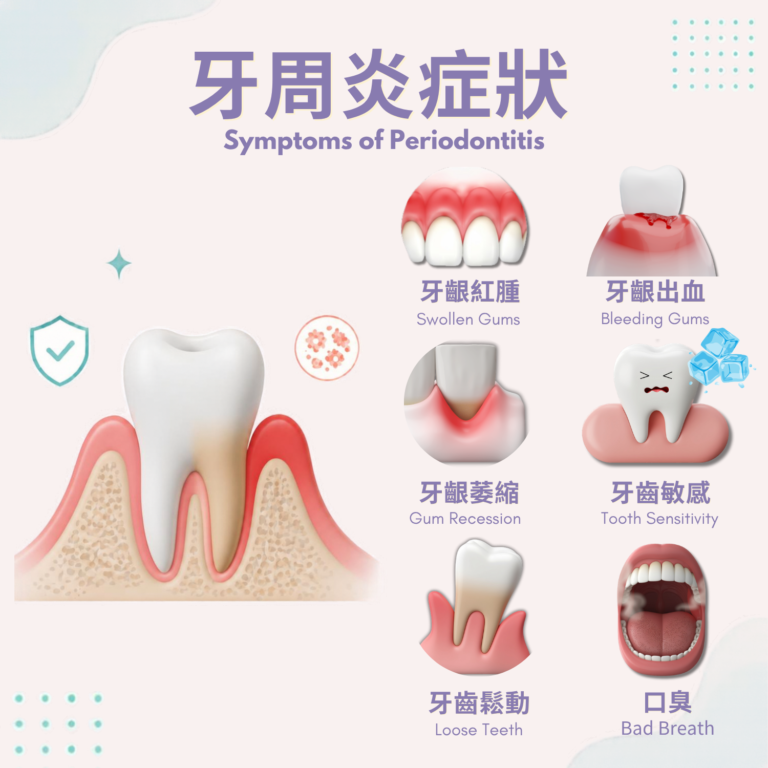
Common signs of gum disease include:
Bleeding gums
Red or swollen gums
Persistent bad breath
Receding gums
Sensitive or loose teeth
Discomfort when chewing
Deep pockets between the gums and teeth
It is important to note that gum disease may not cause noticeable pain in its early stages. Therefore, the absence of toothache does not necessarily mean that your gums are healthy.
What Causes Gum Disease?
Gum disease is commonly associated with the buildup of plaque.
If plaque is not regularly removed, it can harden into tartar (calculus). Once tartar forms, it cannot be completely removed through regular brushing and flossing alone. Professional cleaning by a dentist or dental hygienist is generally required.
Long-term buildup of plaque and tartar can cause inflammation of the gums and may eventually affect the periodontal tissues and jawbone that support the teeth. Smoking, diabetes, and other factors may also increase the risk of developing gum disease.
How Is Gum Disease Treated?
Periodontal Treatment depends on the condition of your gums and the supporting periodontal tissues.
Early gum problems may improve with better daily oral hygiene and professional dental cleaning.
For more advanced gum disease, your dentist may recommend scaling and root planing, also known as deep cleaning. This treatment removes plaque and tartar from the surfaces of the teeth and tooth roots, including areas below the gumline. Some cases may require additional periodontal treatment.
Your dentist will assess your oral health based on your dental examination and, when appropriate, dental X-rays or other imaging to determine the most suitable treatment approach.
How Can Gum Disease Be Prevented?
Good daily oral hygiene can help reduce the risk of gum disease. We recommend:
- Brush your teeth at least twice a day
- Clean between your teeth daily with dental floss
- Have regular dental checkups
- Follow your dentist’s or dental hygienist’s recommendations for professional cleaning
- Avoid smoking
If you are unsure which oral hygiene methods are best for you, speak with your dentist or dental hygienist for personalized advice.
Our Gum Disease and Gum Care Services
If you experience bleeding gums, swollen gums, receding gums, bad breath, or loose teeth, we can provide a dental and gum examination to assess your current oral health.
Depending on your individual needs, treatment may include professional cleaning, periodontal treatment, oral hygiene guidance, and ongoing maintenance.
We will explain your oral health condition and available treatment options based on your individual needs.
Protect Your Gums, Starting with Daily Care
Contact us to schedule a dental examination and learn more about your gum health and suitable care options.
牙周病:症狀、成因、治療及預防方法
牙周病(Gum Disease / Periodontal Disease)是常見的口腔健康問題,主要影響牙齦及支撐牙齒的組織。
牙周病可以逐漸發展,早期未必會出現明顯痛楚。因此,即使沒有牙痛,如果經常出現牙齦出血、紅腫或口臭等情況,也應該接受牙科檢查。
加拿大牙醫協會(Canadian Dental Association, CDA)指出,牙周病可以預防及治療,而及早發現及處理有助控制病情。
什麼是牙周病?
牙周病包括不同程度的牙齦及牙周組織疾病,常見包括牙齦炎及牙周炎。
牙齦炎(Gingivitis)
牙齦炎是較早期的牙齦疾病,常見症狀包括:
牙齦紅腫
刷牙或使用牙線時出血
牙齦敏感或不適
及早處理牙齦炎,一般可以透過改善口腔衛生及專業牙科護理得到改善。
牙周炎(Periodontitis)
牙周炎會影響支撐牙齒的牙齦、牙周組織及牙槽骨,並可能造成牙周袋加深及牙槽骨流失。病情較嚴重時,可能導致牙齒鬆動甚至脫落。
牙周病常見的徵兆包括:
牙齦出血
牙齦紅腫
持續口臭
牙齦萎縮
牙齒敏感或鬆動
咀嚼時不適
牙齦與牙齒之間形成較深的牙周袋
需要注意的是,牙周病早期可能沒有明顯痛楚,因此不能單靠有沒有牙痛來判斷牙齦是否健康。
為什麼會有牙周病?
牙周病通常與牙菌膜(Plaque)積聚有關。
如果牙菌膜沒有被清除,可能逐漸硬化形成牙石(Tartar / Calculus)。牙石一旦形成,單靠日常刷牙及使用牙線並不能完全清除,一般需要由牙醫或洗牙師進行專業清潔。
長期積聚的牙菌膜及牙石可能引起牙齦發炎,並進一步影響支撐牙齒的牙周組織及牙槽骨。吸煙、糖尿病及其他因素亦可能增加患牙周病的風險。
牙周病如何治療?
治療方法取決於牙齦及牙周組織的健康狀況。
較早期的牙齦問題,可能透過改善日常口腔護理及專業洗牙得到改善。
如果牙周病較為嚴重,牙醫可能會根據牙周檢查結果,建議牙周深層清潔(Scaling and Root Planing)或其他牙周治療。牙周深層清潔可以清除牙齒及牙根表面的牙菌膜和牙石,包括牙齦線以下的位置。部分個案可能需要進一步的牙周治療,或轉介牙周專科醫生。
牙醫會根據你的口腔檢查及相關影像,評估適合你的治療方案。
如何預防牙周病?
良好的日常口腔護理有助降低牙周病風險。建議:
每天至少刷牙兩次
每天使用牙線或牙間清潔工具清潔牙齒之間的位置
定期接受牙科檢查
按牙醫或洗牙師的建議接受專業清潔
避免吸煙
如果不確定哪種口腔清潔方法最適合自己,可以向牙醫或洗牙師尋求建議。
我們的牙周病及牙齦護理
如果你有牙齦出血、牙齦腫脹、牙齦萎縮、口臭或牙齒鬆動等問題,我們可以為你進行牙齒及牙齦檢查,了解目前的口腔健康狀況。
根據個別情況,治療可能包括專業清潔、牙周治療、口腔衛生指導及定期維護。
我們會根據你的口腔狀況,向你解釋相關問題及治療選擇。
保護牙齦,從日常護理開始
歡迎聯絡我們預約牙科檢查,了解你的牙齦健康狀況及適合的護理方案。
FAQ 常見問題
Gingivitis can generally be improved with proper oral hygiene and professional dental care. Damage to the supporting tissues and bone caused by periodontitis cannot usually be completely reversed, but appropriate treatment and ongoing care can help control the condition and prevent further progression.
牙齦炎一般可以透過改善口腔衛生及適當的專業牙科護理得到改善,而且早期牙齦炎通常是可逆的。牙周炎造成的牙周組織及牙槽骨流失通常不能完全逆轉,但適當治療及持續護理可以幫助控制病情及減慢進一步惡化。
Bleeding gums can be a sign of gum inflammation or gum disease. If your gums bleed frequently, it is recommended to have a dental examination to determine the underlying cause.
牙齦出血可能是牙齦發炎或牙周病的徵兆。如果牙齦經常出血,建議接受牙科檢查以了解原因。
Advanced periodontitis can damage the tissues and bone that support the teeth, causing teeth to become loose. In severe cases, this may eventually lead to tooth loss.
嚴重的牙周炎可能破壞支撐牙齒的組織及骨骼,令牙齒鬆動,嚴重時可能導致牙齒脫落。
Not necessarily. Gum disease may not cause noticeable pain in its early stages. Therefore, even if you do not have a toothache, you may still have gum or periodontal problems. Regular dental checkups can help detect and manage gum disease early.
不一定。牙周病在早期可能沒有明顯痛楚,因此即使沒有牙痛,也可能存在牙齦或牙周問題。定期接受牙科檢查,有助及早發現及處理牙周問題。
Smoking is an important risk factor for gum disease and can also affect the health of the gums and periodontal tissues. The British Columbia Dental Association (BCDA) also identifies tobacco use as a risk factor associated with gum disease.
吸煙是牙周病的重要風險因素之一,亦可能影響牙齦及牙周組織的健康。BCDA亦將煙草使用列為與牙周病相關的風險因素。
Diabetes is associated with gum disease, and people with diabetes may have a higher risk of developing periodontal problems. Maintaining good oral hygiene and having regular dental checkups can help detect and manage gum and periodontal problems early.
糖尿病與牙周病有一定關聯,糖尿病患者出現牙周問題的風險可能較高。因此,保持良好的口腔衛生及定期接受牙科檢查,有助及早發現及處理牙齦及牙周問題。
Reference 參考資料
- Canadian Dental Association (CDA) — Gum Diseases &Gum Disease FAQs
- BC Dental Association (BCDA) — Patient Resources
- Government of Canada — Gum Diseases


